2026-10-05 ·
Fire Board-Up After a House Fire: What Lewis County Homeowners Should Know
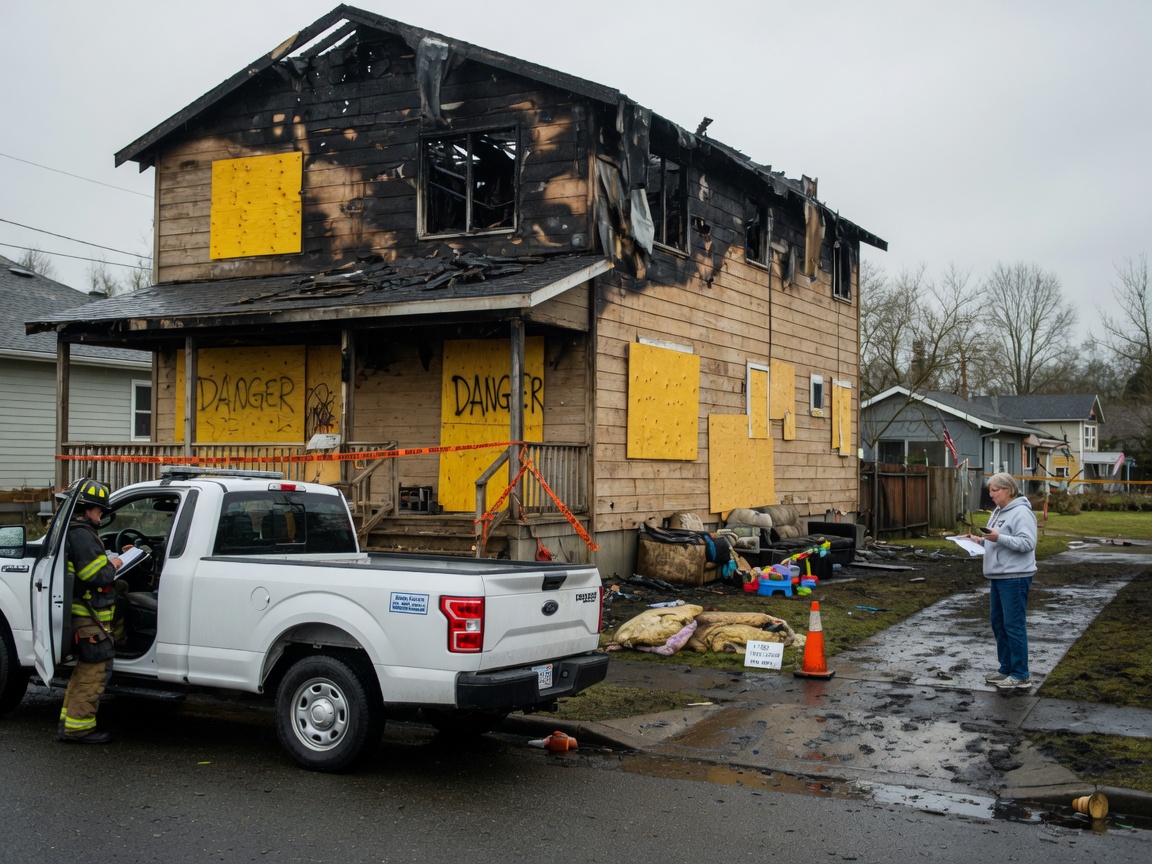
In Lewis County, fire board-up after a house fire typically begins within hours of the incident to secure openings and limit exposure to the elements. Centralia's temperate climate brings heavy winter precipitation that can quickly turn soot and char into deeper structural problems if rain enters through broken windows or roofs. Professional teams start by assessing entry points at properties in the Centralia Historic District or around Centralia College before installing plywood or metal barriers rated for local wind loads.
Why Immediate Board-Up Matters in Centralia
Centralia homes built before 1970 often feature older framing and single-pane windows that fail rapidly during a fire, leaving large openings. Without prompt board-up, the area's wet winters allow moisture to penetrate walls and attics, leading to mold growth within days. Properties near Borst Park face additional risks from wind-driven rain funneled through the open terrain. Securing the site also deters vandalism common in vacant structures along W Main St corridors. Homeowners who delay this step frequently face compounded costs when water from subsequent storms reaches electrical systems or insulation.
Steps in a Professional Fire Board-Up Process
Teams first document all damage with photos before covering every compromised opening using 3/4-inch plywood fastened with heavy-duty screws. Next they install temporary locks or hasps on doors to maintain site security while allowing emergency access. In the Borst Park area, crews often add extra bracing on gable ends because of prevailing winds. Final checks include verifying that tarps on roofs slope correctly to shed Centralia's steady rainfall. These measures directly reduce the chance of follow-on water damage that would otherwise require separate extraction work.
How Local Weather Affects Post-Fire Security
Lewis County's mild summers give way to prolonged wet periods from November through March, with rainfall totals often exceeding 50 inches annually. A boarded-up home in the Centralia Historic District must withstand this moisture without allowing seepage around edges. Crews use specific sealants that hold up under repeated freeze-thaw cycles common near the Chehalis River valley. Homes in lower-lying sections near Fords Prairie require extra attention to foundation vents to prevent standing water from pooling against boards. These seasonal realities dictate both material choices and installation techniques used on every job.
Connecting Board-Up to Water Damage Prevention
Fire board-up serves as the first line of defense against the water intrusion that frequently follows blazes in this region. When plywood and tarps are installed correctly, they keep rain from reaching charred framing that would otherwise absorb moisture and swell. Emergency water extraction becomes far less extensive when board-up is completed before the next storm arrives. Homeowners in Chehalis and Centralia who combine these services avoid the chain reaction where fire residue mixes with rainwater to create hazardous conditions inside walls.
When to Move from Board-Up to Full Restoration
Once the structure is secure, owners should schedule a full inspection within 48 hours to identify hidden fire and water damage. In older Centralia neighborhoods, plaster and lath walls often hide pockets of moisture that require targeted drying. Structural fire damage repair crews can then prioritize load-bearing elements while the boards remain in place. Checking the water damage restoration guide for Centralia helps residents understand the timeline from board-up through final drying and reconstruction. This sequence keeps projects on track despite the county's unpredictable winter weather patterns.