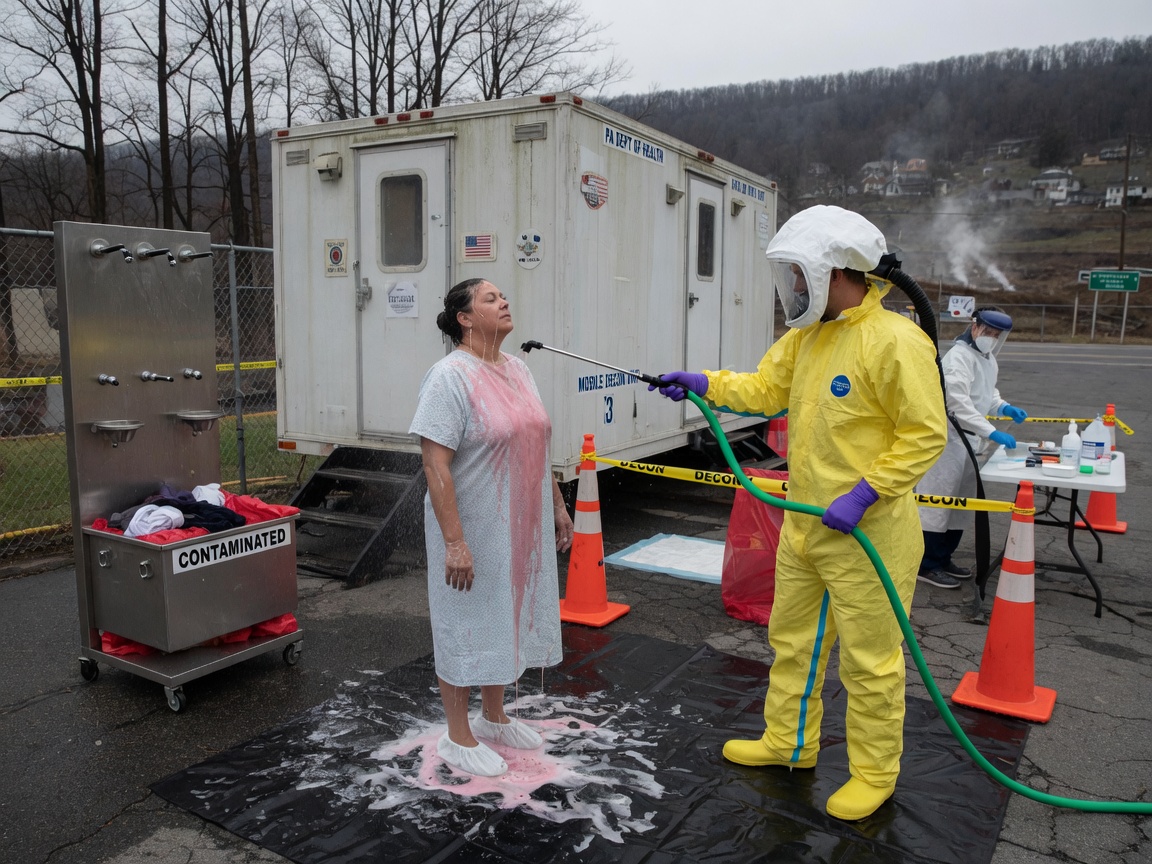
Centralia healthcare buildings near the Historic District and Centralia College often date to the early 1900s with plaster walls and crawlspaces that hold moisture after Lewis County winter rains. When leaks occur, we isolate HVAC zones immediately because shared ductwork can spread mold spores between patient rooms and surgical suites within hours. We use EPA-registered disinfectants rated for healthcare surfaces and document every step for joint commission or state health inspectors.
Borst Park area clinics sit on slightly higher ground but still face groundwater seepage during prolonged wet periods. Our crews remove saturated carpet and vinyl in corridors first, then treat subfloors with antimicrobial agents before drying equipment is placed. We coordinate with facility maintenance to avoid disrupting emergency services and leave negative-air machines running until third-party clearance samples pass.
Nearby facilities in Chehalis and Olympia frequently request us for OR and ICU decontamination after pipe bursts. We follow CDC and Washington DOH guidelines for terminal cleaning, including UV-C adjunct treatment on non-porous surfaces and full HEPA vacuuming of all horizontal planes. Staff are trained to work around medical gas lines and sensitive equipment without creating additional hazards.
Every job ends with a written report listing moisture readings, product SDS sheets, and disposal manifests. This documentation protects the facility during audits and helps insurance adjusters understand the scope without repeated site visits.
Technician insight
In Centralia the thing that catches most people out with Hospital/Healthcare Facility Decontamination is how quickly moisture travels through the plaster-and-lath walls common in buildings near the Historic District and Centralia College; a small roof leak during a wet Lewis County winter can reach three floors away before anyone notices.
Downtown Centralia Clinic Leak
A roof drain backed up above an exam corridor during a January storm. We found water had wicked behind baseboards and into the shared return-air plenum. We isolated the wing, removed saturated drywall, treated the cavity, and ran drying equipment overnight so the clinic reopened the next morning with clearance samples passing on the first try.
Hospital/Healthcare Facility Decontamination Services We Offer
✓Operating Room Terminal Cleaning
Full decontamination of surgical suites after water events, including equipment wipe-down, floor removal, and negative-pressure verification to meet CDC terminal-clean standards.
✓Patient Room Biohazard Remediation
Targeted removal and sanitization of contaminated drywall, flooring, and furnishings in occupied patient rooms while maintaining infection-control barriers.
✓Healthcare HVAC Duct Sanitization
Inspection and antimicrobial treatment of shared ventilation systems that can spread moisture-related contaminants between departments in older Centralia buildings.
✓Emergency Department Spill Response
Rapid containment and disinfection of water or fluid spills in high-traffic ERs to keep the department operational during Lewis County wet-season surges.
✓Clinic Waiting Area Mold Remediation
Source removal and air scrubbing in public areas near Borst Park facilities where roof leaks commonly affect drop ceilings and carpet glue.
Hospital/Healthcare Facility Decontamination Cost in Centralia, WA
| Service | Typical Range | What Affects It |
|---|---|---|
| Initial Assessment & Report | $250–$450 | Larger facilities or multiple departments increase scope. |
| Single Patient Room Decontamination | $800–$1,600 | Depends on extent of water migration into walls or subfloor. |
| OR or ICU Zone Sanitization | $2,200–$4,800 | Includes equipment protection and extended drying time. |
| HVAC Duct Treatment | $1,100–$2,300 | Number of zones and access difficulty in older buildings. |
Ranges are typical for Centralia, WA and confirmed with an exact written quote before any work starts.
How it works
- 1
Initial Assessment
We arrive within hours, map moisture with thermal imaging, and identify affected zones while facility staff continue critical operations.
- 2
Containment Setup
Negative-air machines and plastic barriers isolate the work area from patient corridors and sterile zones.
- 3
Removal and Treatment
Saturated materials are removed, surfaces are cleaned with hospital-grade disinfectants, and drying equipment is staged.
- 4
Verification and Clearance
Independent testing confirms safe moisture and microbial levels before barriers come down and normal traffic resumes.
Pricing
Pricing varies by square footage affected, depth of contamination, and whether after-hours or weekend work is required to avoid disrupting patient care.